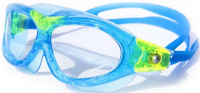
Find out how to choose the right swimming goggles. Learn what to focus on when selecting goggles, which lens type works best for the pool or open water, and which models we at Swimaholic have tested and recommend.
How do you choose swimming goggles that fit well, do not leak and match where and how you swim? Choosing goggles is not just about colour or brand. The shape of the eye seals, the type of lenses, the size of the goggles and their intended use all matter.
In this article, we will guide you through what to focus on when choosing swimming goggles, which type is suitable for pool swimming, racing or triathlon, and we will also add specific models that we at Swimaholic have had the best experience with.
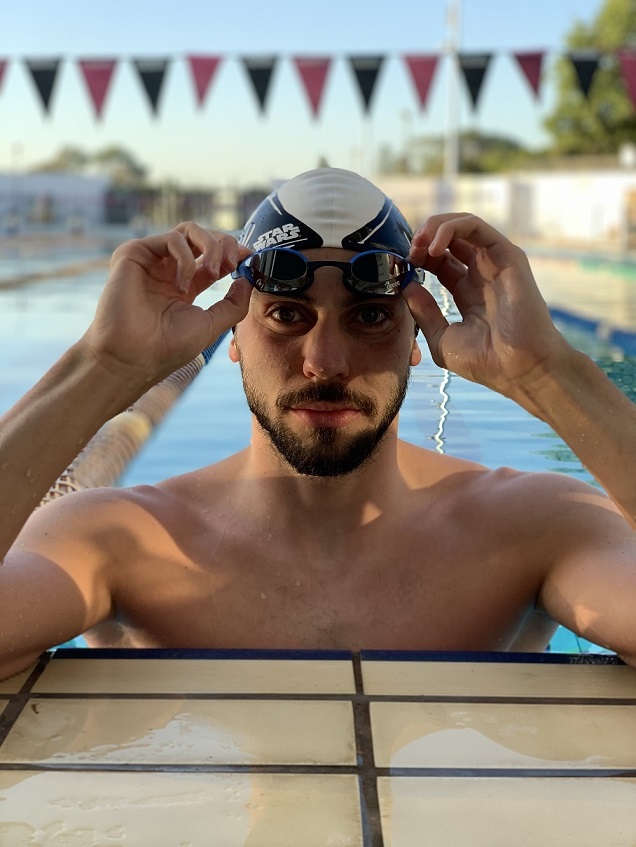
Choosing swimming goggles by lens colour
Lens colour is usually the first thing you notice when looking at
swimming goggles. However, it is not only about design. It also affects how well you see in different conditions. Some lenses brighten your view in the water, while others reduce light and protect your eyes from the sun. That is why each lens colour is suitable for slightly different conditions.
1. For indoor pool swimming
For indoor pools, clear or lightly tinted lenses are usually the best choice. They provide a bright view without noticeably distorting colours, which makes them suitable even for pools with weaker lighting. Clear lenses are one of the most universal options and are a safe choice for most swimmers.
2. For outdoor swimming, the sea or open water
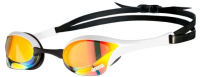
For outdoor pools, open water or sea swimming, darker lenses are usually more comfortable. Smoke, mirrored or polarised lenses help reduce sunlight and glare from the water surface. Thanks to that, your eyes do not get tired as quickly and you can orient yourself more easily while swimming.
3. Can you use one pair for both indoor and outdoor swimming?
Of course, you can use darker goggles indoors and clear goggles outdoors. It is not always the most comfortable option, though. Swimming indoors in dark goggles in poor lighting, or swimming outside in clear lenses under strong sun, can make your swim unnecessarily unpleasant. If you swim regularly in different conditions, it is worth having one pair for the pool and another pair for outdoor swimming.
Choosing swimming goggles by purpose
1. Recreational swimming
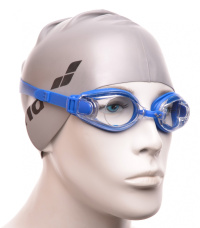
For recreational swimming, comfort and good visibility are the most important factors. If you are not sure which goggles to choose, we usually recommend larger models that adapt better to the face and do not press too much around the eyes.
Among recreational goggles, we have tested and often recommend the unisex
Swimaholic Elbe and the popular
Speedo Biofuse 2.0. The final choice always depends on personal preference, but both models are among the most popular in their categories and we can confidently recommend them.
2. Swimming goggles for racing
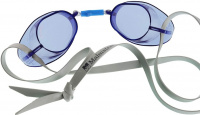
Racing swimming goggles are often smaller and have a low-profile shape to reduce drag in the water. They usually have smaller seals, or no seals at all. Goggles without soft seals are often called Swedish-style goggles, and they may take some time to get used to.
3. Swimming goggles for triathlon
Triathletes need a wide field of vision so they can see what is happening around them. That is why triathlon goggles are usually wider and offer better visibility. They also need to be durable and seal well, so they can handle possible contact with another competitor.
Because triathlon often involves open water swimming, these goggles frequently have smoke, mirrored or polarised lenses. For triathlon and open water, we have had very good experience with
Speedo Biofuse 2.0 Polarised.
4. Prescription swimming goggles
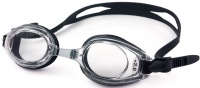
Swimming with prescription lenses is much more comfortable for many people. Being able to see clearly underwater with prescription swimming goggles can completely change the swimming experience for anyone who struggles to see without glasses or contact lenses.
The range of prescription swimming goggles is more limited than standard models, but we are glad this option exists and that swimmers with dioptres can also enjoy clear vision in the water.
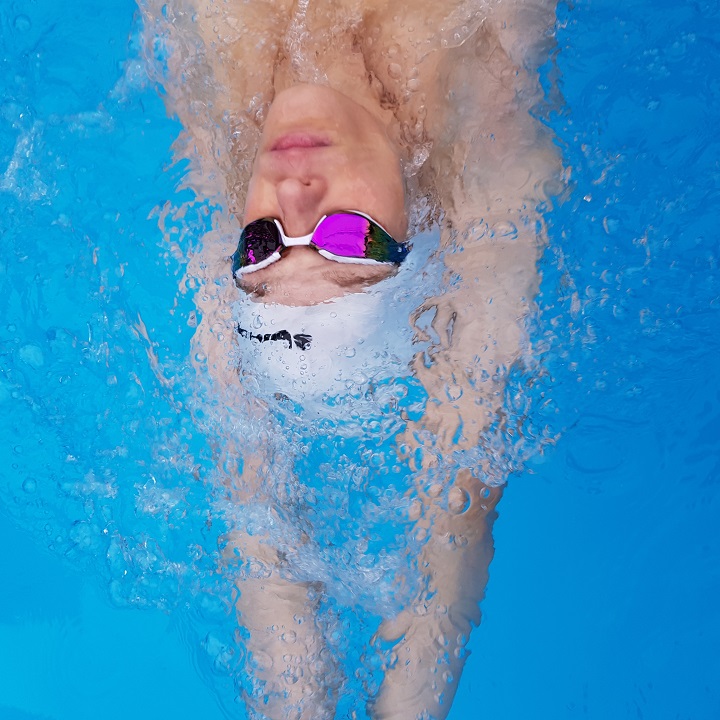
Choosing swimming goggles by age and gender
1. Unisex swimming goggles
Most swimming goggles are unisex, which means they are suitable for both men and women. When choosing goggles, the most important factor is how they fit your face, rather than whether they are labelled as men’s or women’s.
2. Women’s swimming goggles
Women often have a smaller face, and classic unisex goggles may not always fit perfectly.
Women’s swimming goggles therefore often have smaller eye seals, so they fit better around the eye area. The nose bridge is also usually smaller, which helps the goggles sit more comfortably on the face.
Women’s models also more often have a split strap, which helps the goggles stay in place over a ponytail or bun. They may also come in softer designs, but comfort, sealing and good visibility should always come first.
3. Kids’ swimming goggles
Kids’ swimming goggles are usually divided by age, for example into categories for 2–6 years and 6–14 years. Goggles for the youngest children are designed for smaller faces so they do not press, do not leak and can handle all kinds of water play.
How to test whether your swimming goggles will leak
There is a simple trick, and you do not even need to go into the water. Take the goggles in your hands and gently press them against your eyes without putting the strap over your head. If both eye seals create suction and stay in place for at least a moment, the shape of the goggles most likely suits your face and you can go swimming.
What if only one side sticks? If one eye seal creates suction and the other comes loose, the nose bridge may be either too small or too large. The good news is that in this case, the head strap can often help keep the goggles in the right position and prevent leaking.
If the goggles do not create suction at all and immediately fall off, they are probably not the right model for you, even if they are the nicest-looking pair you have found. Goggles like that will not serve you well, and you will notice it during your first swim.
Final tip
Swimming goggles will sooner or later start to fog up. It depends on many factors, such as water temperature, sweat, outdoor temperature and the gradual wear of the anti-fog layer. That is why we recommend reading our article on
how to look after your swimming goggles so they last as long as possible.
If your goggles do not fit well, try adjusting the nose bridge, which is the middle part between the eye seals, and replace it with a smaller or larger one if the model allows it. You can also improve the fit by adjusting the strap correctly. Do not place the strap directly behind your ears, but move it slightly higher towards the crown of your head.
Frequently asked questions about choosing swimming goggles
How do I choose swimming goggles that do not leak?
Place the goggles against your eyes without putting on the strap. If both eye seals create suction and stay in place for at least a moment, their shape probably suits your face. The goggles should also not press uncomfortably.
What are the best swimming goggles for an indoor pool?
For indoor pools, we recommend clear or lightly tinted lenses. They let in more light, do not distort colours and are comfortable to look through even in pools with weaker lighting.
What swimming goggles should I choose for open water?
For open water, choose goggles with a wide field of vision and smoke, mirrored or polarised lenses. Darker lenses reduce sunlight and glare from the water surface.
Why do swimming goggles fog up?
Swimming goggles fog up because of differences in temperature, humidity and the gradual wear of the protective anti-fog layer. Do not wipe the inside of the lenses with your fingers, and rinse the goggles with clean water after swimming.
If your goggles start to fog up, an
anti-fog spray designed specifically for swimming goggles can also help.